
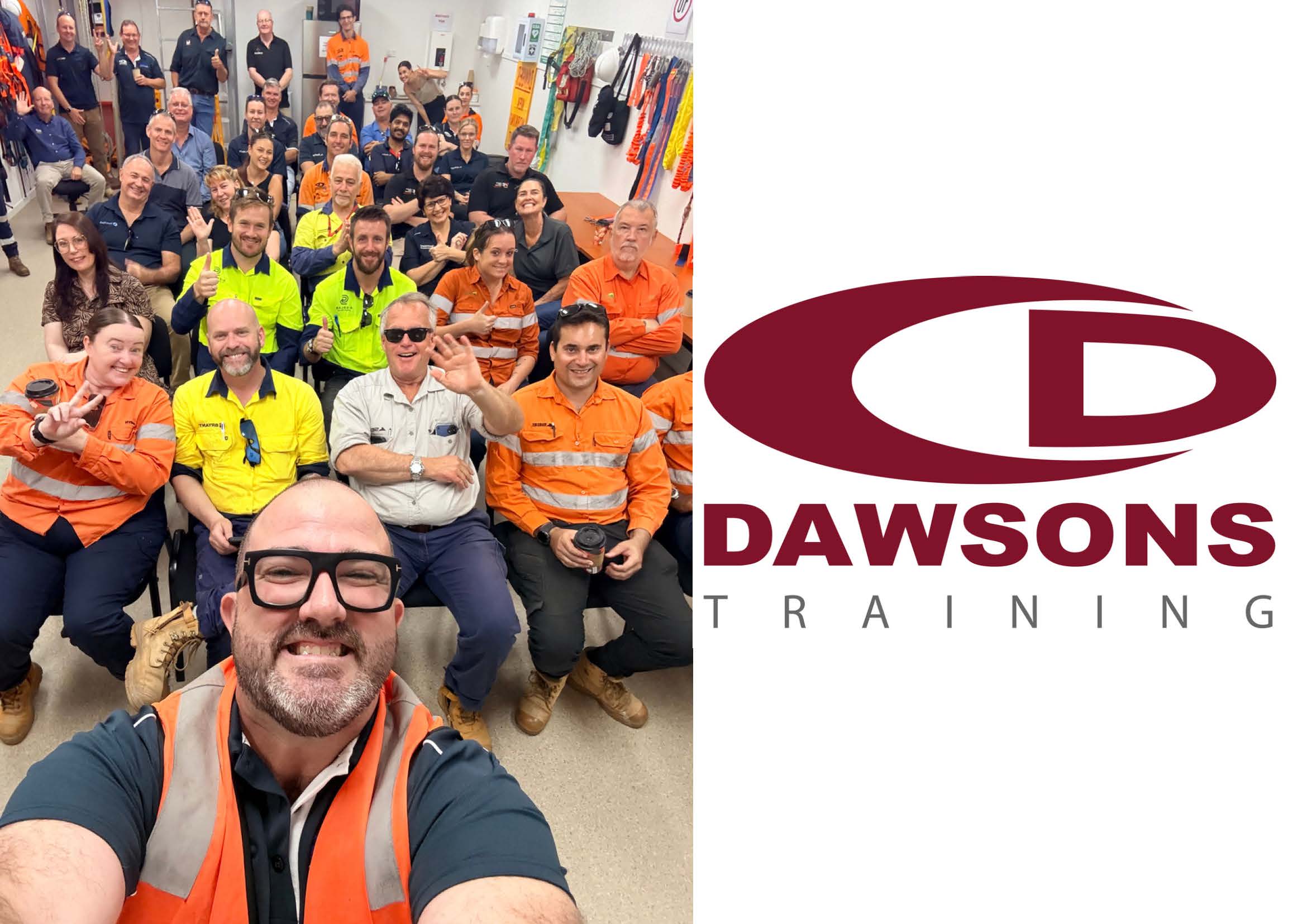
At Dawsons Group of Companies, ensuring our workers return home safely every single day is at the heart of everything we do. We recently hosted an industry breakfast where HSEQ Manager Mark Kerridge shared key insights on a crucial topic: "Keeping Young Workers SAFE at Work".
Young workers bring fresh perspectives, but supporting their growth requires practical strategies.
Here are the key takeaways for site leaders and teams.
The Reality Facing Young Workers
According to WorkSafe Queensland, 4,400 young workers (aged 15–24) are seriously injured on the job every year—roughly 85 per week.
• The First-Month Spike: Workers are over 3x more likely to be injured during their first month than experienced staff. They aren't fragile; they're just new.
• Micro-Learning Works: Modern attention spans switch screens quickly. Skip the long lectures and focus on short, frequent safety takeaways.
How the "Sand Avalanche" Builds
Incidents rarely stem from a single error. Instead, small issues stack up:
• Rushed plans and fatigue
• Unreported near-misses
• Taking shortcuts or using the wrong tool
• Thinking "We've always done it this way"
Individually, these look minor. Together, they build a sandpile ready to slide. Young workers often lack the experience to notice the hazard building—or feel too intimidated to speak up.
Gen Z Slang Meets Safety
To bridge the gap, leaders need to connect. Mark highlighted a few terms every supervisor should know:
• Mogged: Feeling outshone or intimidated by someone more experienced. The fear of getting "mogged" is often why a young worker hesitates to ask a crucial question.
• Yeet: Throwing something with zero regard for physics. (Dropped object hazard!)
• "She’ll be right": The single most dangerous phrase on any Aussie site.
The best safety tool costs nothing: talking. Take just a moment to "chop it up" (have an informal chat) with a young worker on site. No lecture—just a quick check-in.
3 Steps for Leaders: Tell, Show, Watch
1. TELL: Explain the task, hazards, and controls.
2. SHOW: Demonstrate proper execution and test understanding.
3. WATCH: Observe them in action and correct errors early.
Removing small grains early keeps the avalanche from happening.